The Evolution of Faux Fur: From Novelty to Luxury
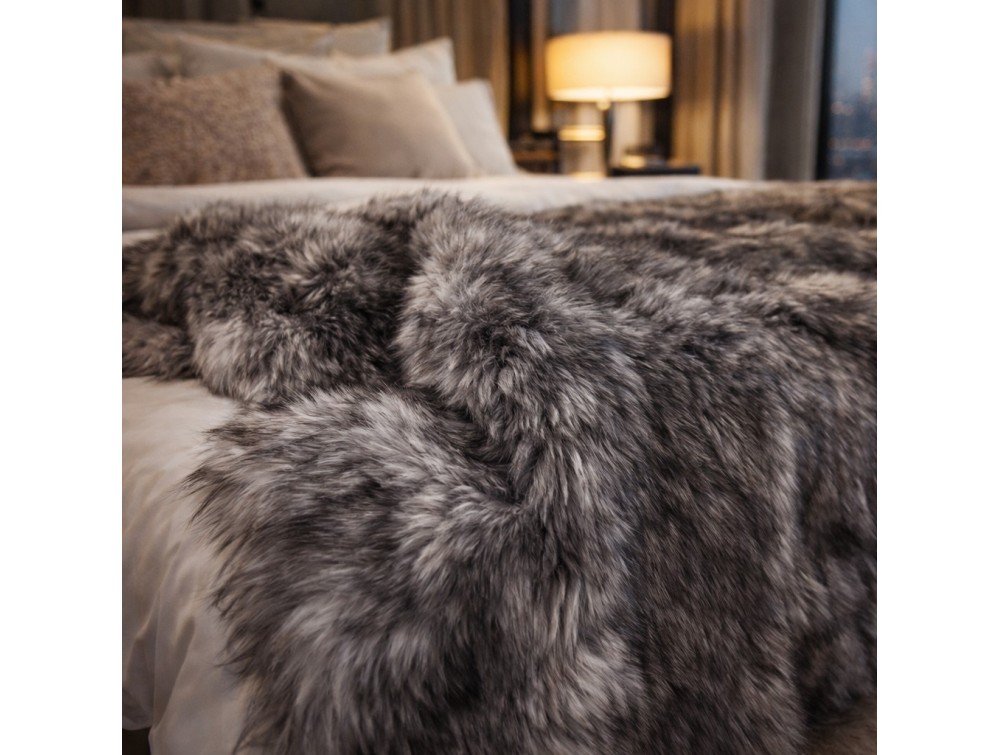
The development of faux fur, from a synthetic novelty into a sophisticated, luxury material
Faux fur has come a long way since its debut in the mid-20th century. Initially introduced as an affordable and cruelty-free alternative to real fur, early faux fur products were often criticized for their coarse texture, unnatural appearance, and lack of durability. Today, thanks to advancements in technology and design, faux fur has transformed into a versatile, high-quality material that rivals real fur in both aesthetics and functionality.
Early Days of Faux Fur
The first iterations of faux fur appeared in the 1920s, made from materials like alpaca hair and mohair. However, it wasn’t until the 1950s, with the advent of synthetic fibres such as acrylic, that faux fur became widely available. While innovative for its time, early faux fur often looked artificial and felt rough, limiting its appeal. It lacked the warmth, softness, and natural movement of real fur, making it a less desirable option for those seeking luxury.
Technological Advancements
In the decades that followed, significant technological advancements revolutionized the faux fur industry. Improved manufacturing techniques allowed for finer, softer fibres that more closely mimicked the texture of real fur. Innovations in dyeing and printing enabled the creation of realistic patterns and colours, from classic mink and fox to bold, fashion-forward designs. Modern faux fur now incorporates a blend of synthetic fibres like modacrylic, polyester, and nylon, which provide enhanced softness, durability, and elasticity. These materials also allow for greater flexibility in design, resulting in faux fur products that are indistinguishable from their natural counterparts.
Sustainability and Ethical Progress
As consumer awareness of environmental and ethical issues has grown, faux fur has become an increasingly popular choice. Today’s faux fur is not only cruelty-free but also more sustainable. Many brands are developing eco-friendly options using recycled materials and low-impact manufacturing processes, addressing concerns about the environmental footprint of synthetic fibres. Additionally, faux fur has gained acceptance in the fashion industry as a legitimate alternative to real fur. High-end designers and retailers now embrace faux fur for its ability to deliver the same luxurious aesthetic without the ethical concerns.
Modern Applications and Popularity
Faux fur’s improved quality and versatility have expanded its use beyond clothing. It’s now a staple in interior design, appearing in everything from plush throws and cushions to rugs and upholstered furniture. Its affordability and ease of maintenance make it a practical choice for adding warmth and texture to any space.
Conclusion
From its humble beginnings as a synthetic novelty, faux fur has evolved into a sophisticated material that combines luxury, functionality, and ethical responsibility. As technology continues to advance, faux fur’s appeal is set to grow even further, proving that innovation can bridge the gap between style and sustainability.
Commenti
Nessun commento in questo momento!
Lascia il tuo commento