
Footstools in Modern Interiors: Style, Use, and Advantages
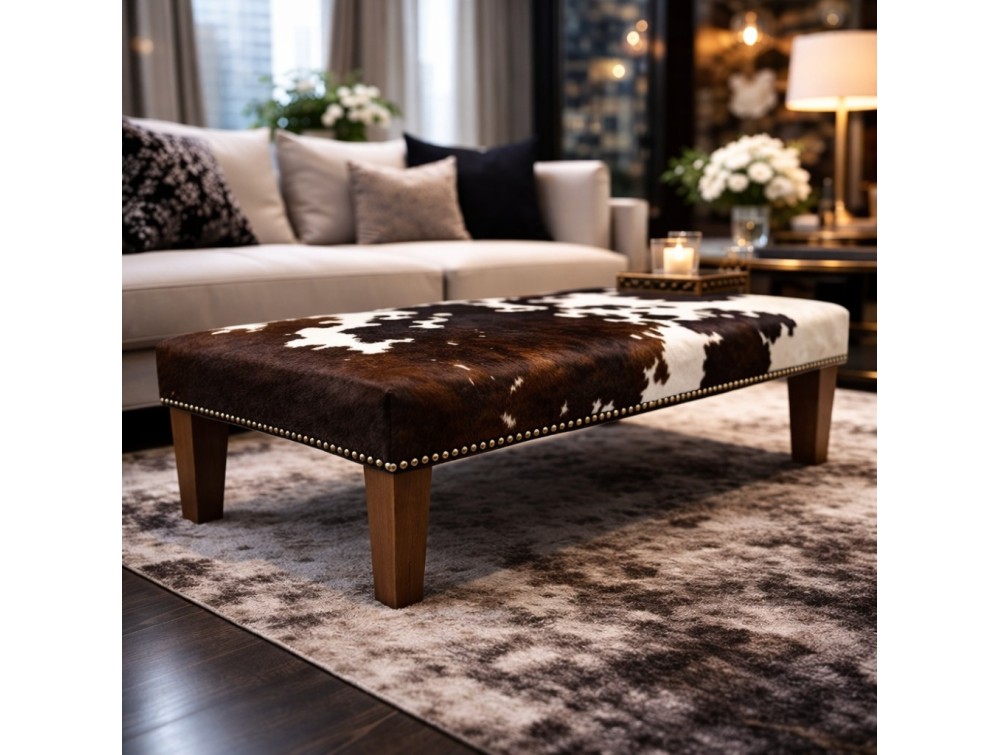
This article explores the style, use, and advantages of footstools, showcasing why they have become an essential part of modern interiors.
Footstools, once seen as mere functional furniture, have evolved into stylish and versatile elements in modern interior design. Whether used as a practical addition to a living room, a statement piece in a cosy reading nook, or an unexpected pop of colour in a minimalist setup, footstools play a multifaceted role in contemporary homes. This article explores the style, use, and advantages of footstools, showcasing why they have become an essential part of modern interiors.
The Style of Footstools
Footstools have come a long way from their humble origins as simple, functional pieces. Modern footstools are available in a variety of designs, materials, and finishes that cater to diverse aesthetic tastes.
- Design Diversity:
- Traditional Designs: Upholstered footstools with carved wooden legs and tufted fabrics bring a vintage or classic charm, ideal for homes with a timeless or rustic aesthetic.
- Contemporary Options: Sleek, geometric designs with metal or minimalist wooden frames align well with modern interiors, where clean lines and simplicity are paramount.
- Eclectic Styles: Bohemian and eclectic interiors embrace footstools with vibrant patterns, textures, and unique shapes, adding an artistic flair.
Material Choices:
- Leather, cowhide, velvet, and linen offer luxurious options for upscale interiors.
- Woven materials, such as rattan or jute, are perfect for eco-conscious, natural-themed spaces.
- Durable fabrics in bold colours or prints cater to families or playful settings.
Colours and Patterns:
- Neutral tones like beige, grey, or muted greens enhance subtle sophistication.
- Bright colours, such as mustard yellow or teal, can make a footstool a focal point in an otherwise subdued room.
Functional Uses of Footstools
While footstools were originally designed to provide comfort for resting feet, their functionality has expanded significantly in modern living spaces.
- Comfort and Relaxation:
- Footstools offer a perfect resting place after a long day, complementing sofas, chairs, or even beds.
- Recliner footstools with adjustable angles enhance ergonomic comfort, especially for those with back or leg issues.
Additional Seating:
- Compact footstools serve as extra seating for guests, particularly in small spaces where traditional chairs might not fit.
Multi-Purpose Furniture:
- Many footstools come with built-in storage compartments, ideal for stowing away blankets, magazines, or toys in a clutter-free manner.
- Ottoman-style footstools can double as coffee tables when paired with a tray, making them multifunctional centrepiece’s in living areas.
Decorative Accents:
- Placing a footstool under a console table or next to an armchair creates visual balance and adds depth to a room’s décor.
- Layering footstools with throws or cushions adds texture and warmth to the space.
Advantages of Incorporating Footstools in Modern Interiors
Footstools are not just about aesthetics or convenience; they also bring significant practical and psychological benefits to interior spaces.
- Space-Saving Solutions:
- In smaller homes or apartments, footstools can replace larger furniture pieces like ottomans or benches, saving space without sacrificing functionality.
- Nesting footstools can be tucked away when not in use, maximizing floor space.
Enhancing Comfort:
- Elevating the feet improves circulation and reduces fatigue, particularly useful for those working from home or spending long hours seated.
Personalization and Versatility:
- Footstools can be easily swapped or reupholstered to align with changing trends or preferences, offering flexibility in décor updates.
- Their portability allows homeowners to move them between rooms, adapting to different needs.
Adding Layers of Design:
- Footstools introduce layers of colour, texture, and height variation to interiors, making rooms feel more dynamic and visually interesting.
Affordability:
- Compared to larger furniture, footstools are generally more budget-friendly, making them an accessible way to enhance interior design without a hefty investment.
Tips for Choosing the Right Footstool
When selecting a footstool, consider the following to ensure it suits both functional needs and stylistic preferences:
- Size and Proportion:
- Match the footstool’s dimensions to the furniture it will accompany to maintain visual harmony.
Material Durability:
- Opt for high-quality materials that can withstand daily use, especially in high-traffic areas.
Purpose:
- Determine whether the primary goal is comfort, additional storage, or aesthetic enhancement.
Mobility:
- Lightweight or wheeled options are practical for dynamic, multi-functional spaces.
Footstools have transcended their original purpose to become indispensable in modern interior design. Their ability to combine style with functionality makes them a versatile choice for every home. Whether you aim to create a cosy retreat, maximize your living space, or add a decorative touch, footstools deliver both practicality and elegance. From classic ottomans to bold, artistic designs, the modern footstool proves that even the smallest furniture can make a significant impact.
Commenti
Nessun commento in questo momento!
Lascia il tuo commento